HIFU-based treatment for skin laxity is one of the most widely adopted energy device therapies. In recent years, customized treatments that precisely control focal depth and temperature according to specific goals, based on a correct understanding of ultrasound’s fundamental physics, have become essential. This webinar introduced the latest lifting, contouring, and tightening strategies combining Dot Mode and Linear Mode. It also addressed HIFU-specific risks, particularly severe cases such as ocular and neurological complications, emphasizing the importance of anatomical understanding and thorough medical record documentation for safe practice.
The Principle of HIFU and the Evolution of the ULTRAcel Series (01:30-)

HIFU is a technology that focuses ultrasound waves at a single point to generate thermal energy. By adjusting the focal depth, it can target multiple layers from the SMAS to the dermis. Frequencies of 4.5 to 7 MHz are primarily used. In aesthetics medicine, utilizing this directionality to precisely deliver heat to the intended depth is critically important.
The ULTRAcel series began with the original ULTRAcel, which integrated HIFU, RF, and RF Needling into a single device, enabling “All Layered Therapy”. The subsequent ULTRAcel Q+ significantly increased irradiation speed and introduced Linear Firm with bulk heating technology. The current ULTRAcel [zi:] allows switching between up to 13 depth levels without cartridge changes, dramatically increasing treatment design flexibility.
Treatment Plans Based on the Three Categories of Treatment Goals (07:15–)
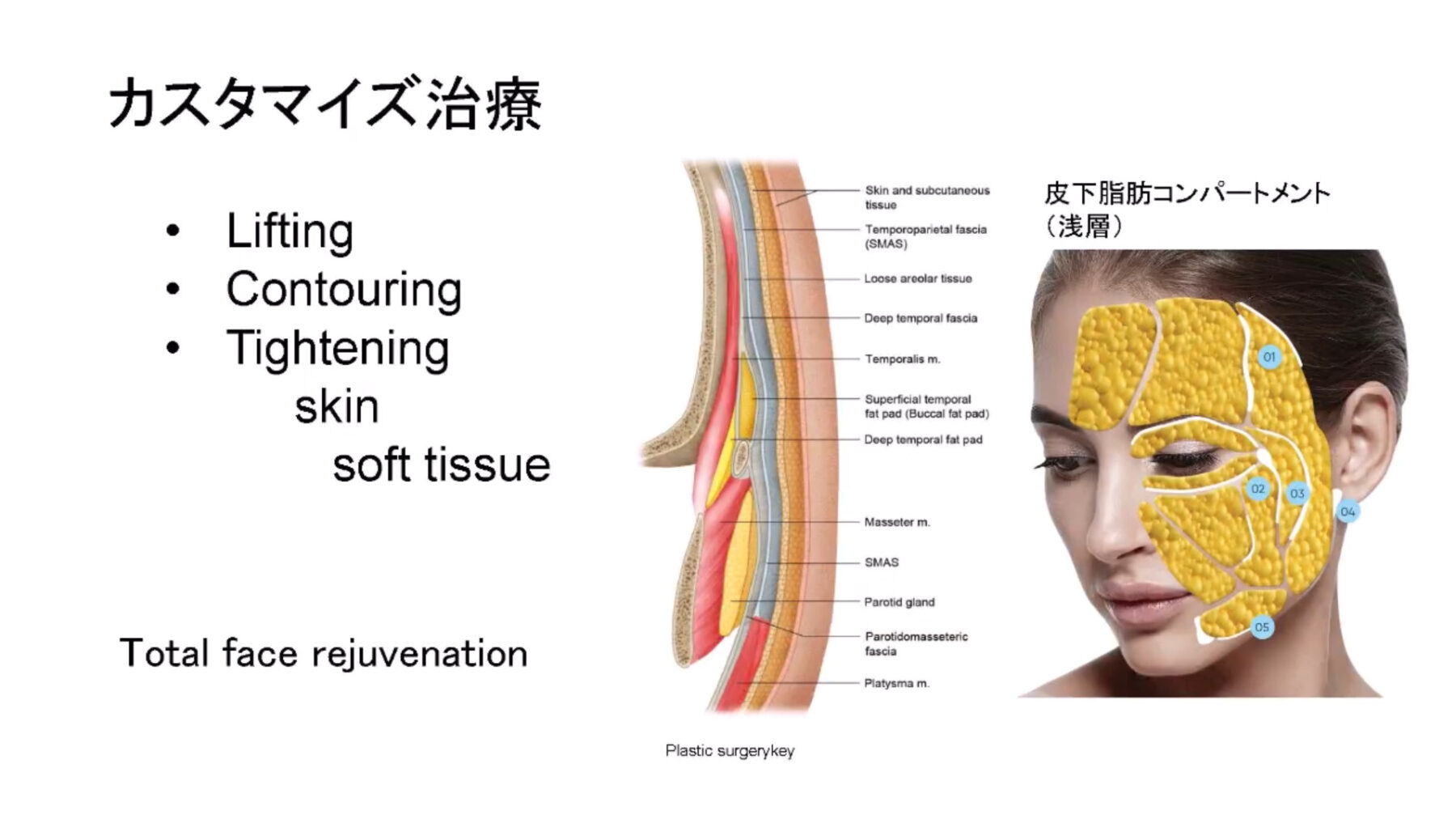
I always clearly keep in mind the specific purpose of each HIFU treatment session. I categorize treatments broadly into three goals—lifting, contouring, and tightening—and design the treatment plan accordingly.
By clearly defining treatment goals and adjusting depth and temperature, you can maximize the effectiveness of ULTRAcel[zi:], which can target multiple layers of the skin.
Clinical Cases Demonstrating the Effects of ULTRAcel [zi:] Targeting All Skin Layers (18:25-)
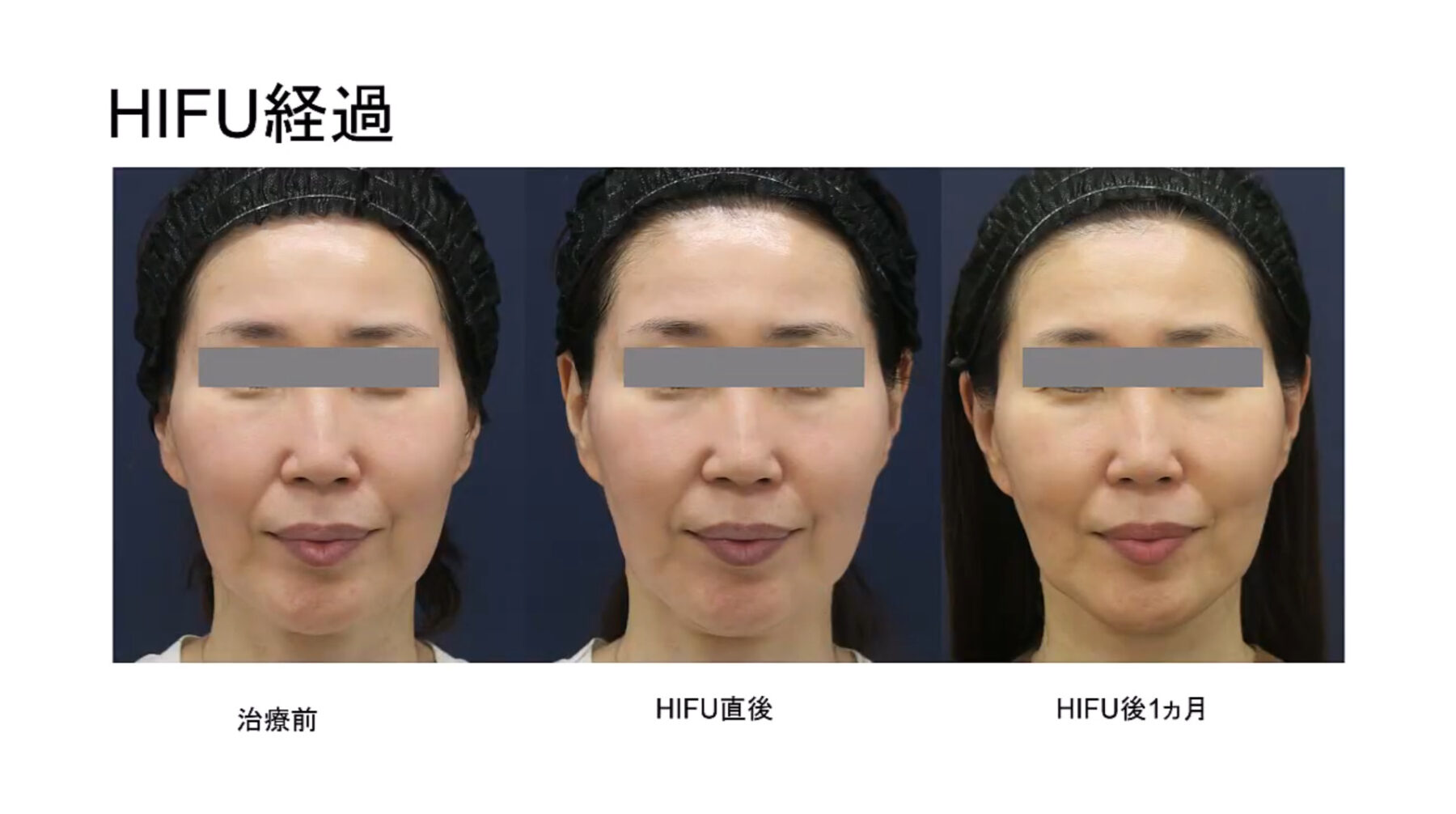
Lifting effects are visible right after treatment, but the most distinctive feature is the further enhancement of effects one month later. 3D vector analysis confirmed upward and backward lifting effects from the cheeks to the jawline. Volume analysis revealed increased volume in the upper cheeks and decreased volume in the lower cheeks and under the jaw. This shows the combined effect of deep tissue stimulation from Dot irradiation and contraction of supporting ligaments from Linear irradiation.
My Primary Considerations in Prioritizing Safety and Reproducibility (25:46–)
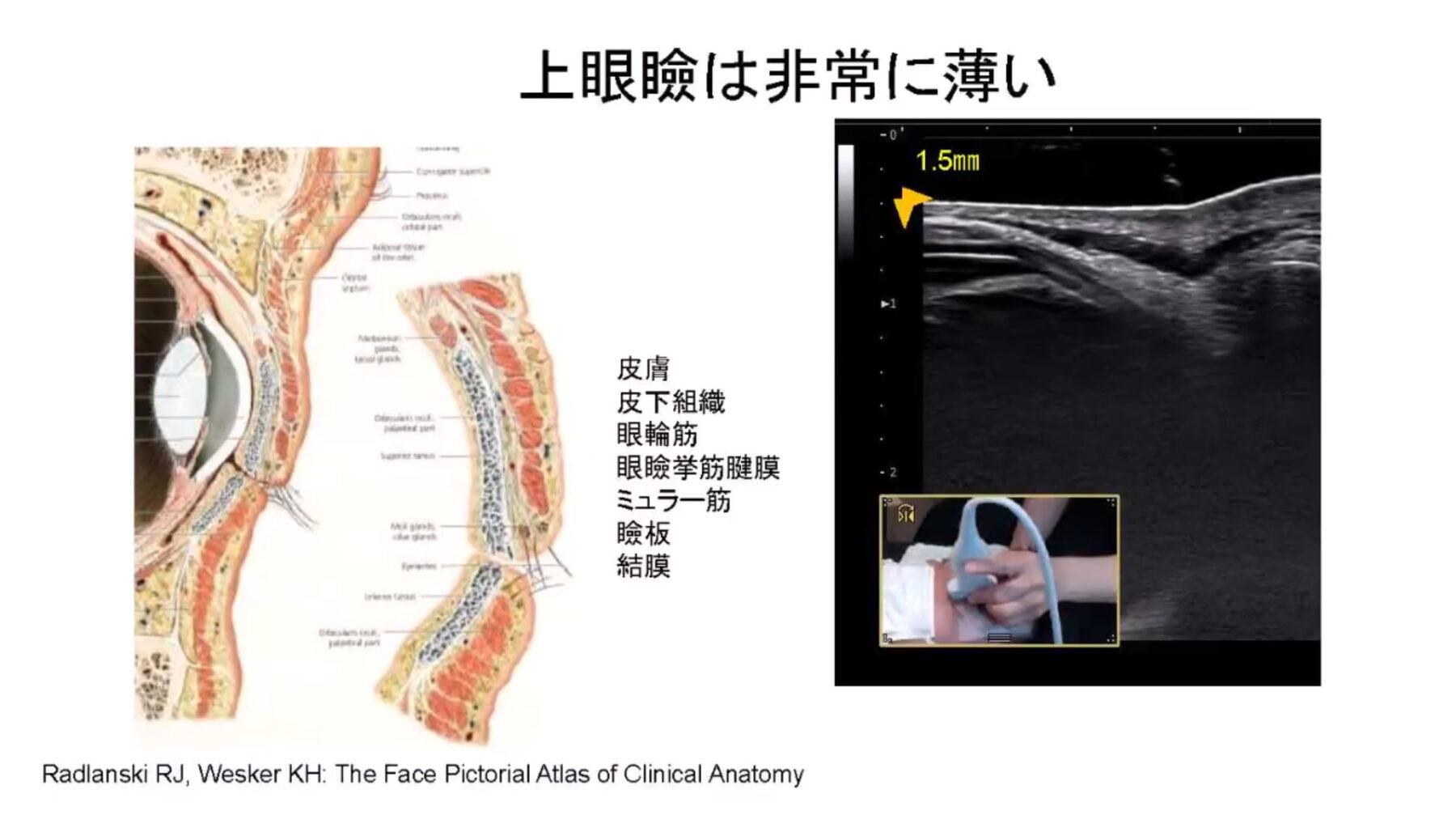
HIFU is a useful treatment, but it can cause complications such as burns and nerve damage. In severe cases, cataracts due to irradiation of the upper eyelid have been reported. Many issues arise from poor anatomical understanding or the assumption that “this much should be fine.” HIFU is not a treatment where the device automatically produces results. At the very moment of irradiation, we must grasp the layered structure from the skin to the SMAS and accurately understand which depth is being heated at which temperature range.
I place great importance on chart documentation. I strive to record as much detail as possible, including local findings, treatment plans, irradiation settings, and the number of shots delivered. This not only helps prevent issues but also serves as a valuable asset for ensuring reproducibility in subsequent treatments.
Finally, the three things I always keep in mind are: selecting high-quality equipment, having a deep understanding of facial anatomy and physics, and dedicating sufficient time to diagnosis and treatment planning. By carefully building upon these foundations, ULTRAcel [zi:] will become a highly reliable treatment partner that delivers both safety and efficacy.